Scottish Highland dance is one of the oldest, most athletic, and most exhilarating forms of solo dance in the world — a tradition born in the Highlands of Scotland and now performed and adjudicated across the globe.
A Dance Steeped in History
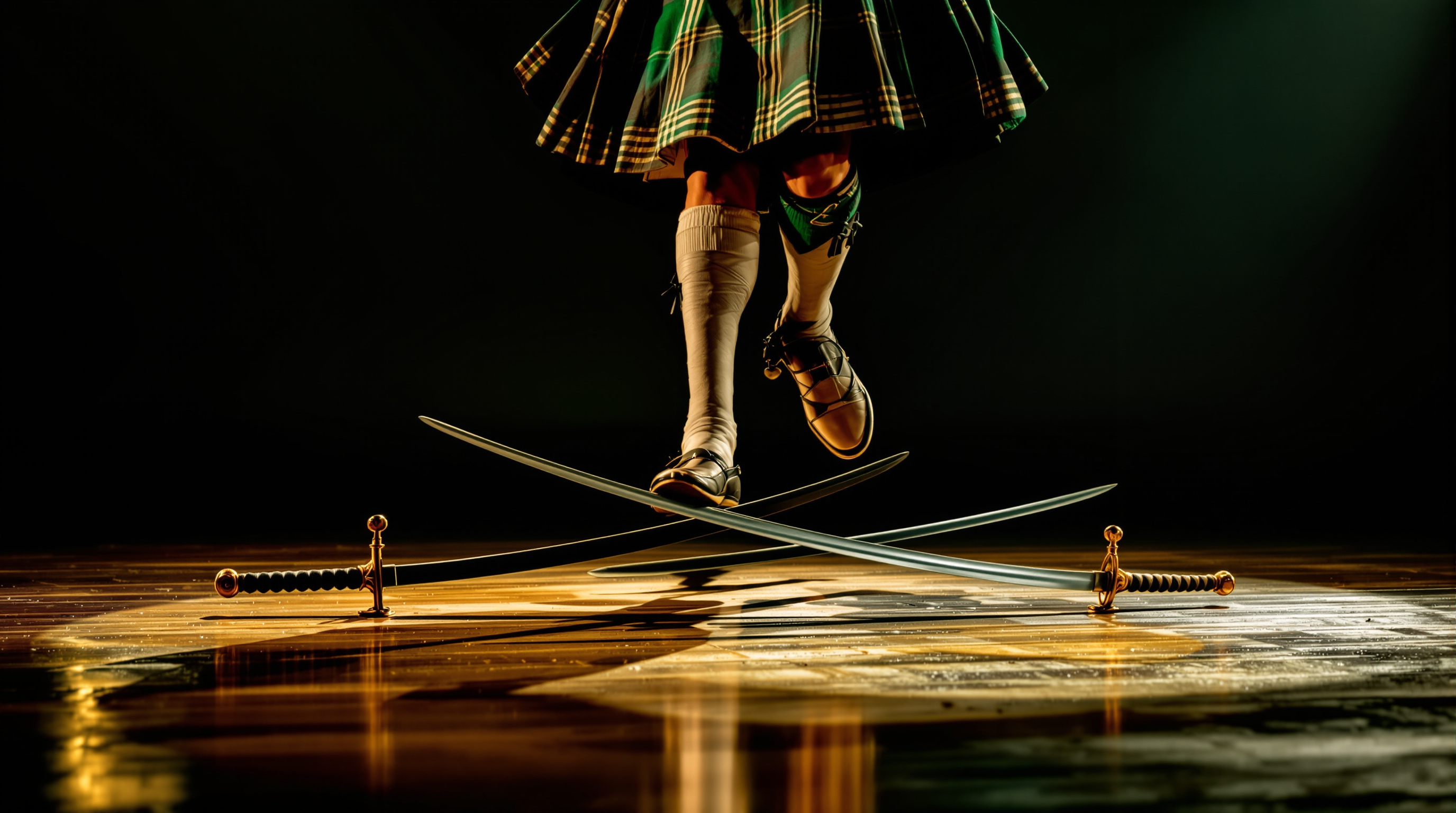
Highland dancing traces its origins back many centuries, to the clan gatherings, military traditions, and celebrations of the Scottish Highlands. Legend holds that some dances began as warriors' exercises — tests of strength, stamina, and precision performed over crossed swords. Over time these martial displays evolved into the refined competitive art form danced today, preserved and codified so that each step, beat, and arm position is performed the same way whether in Scotland, North America, or Australia.
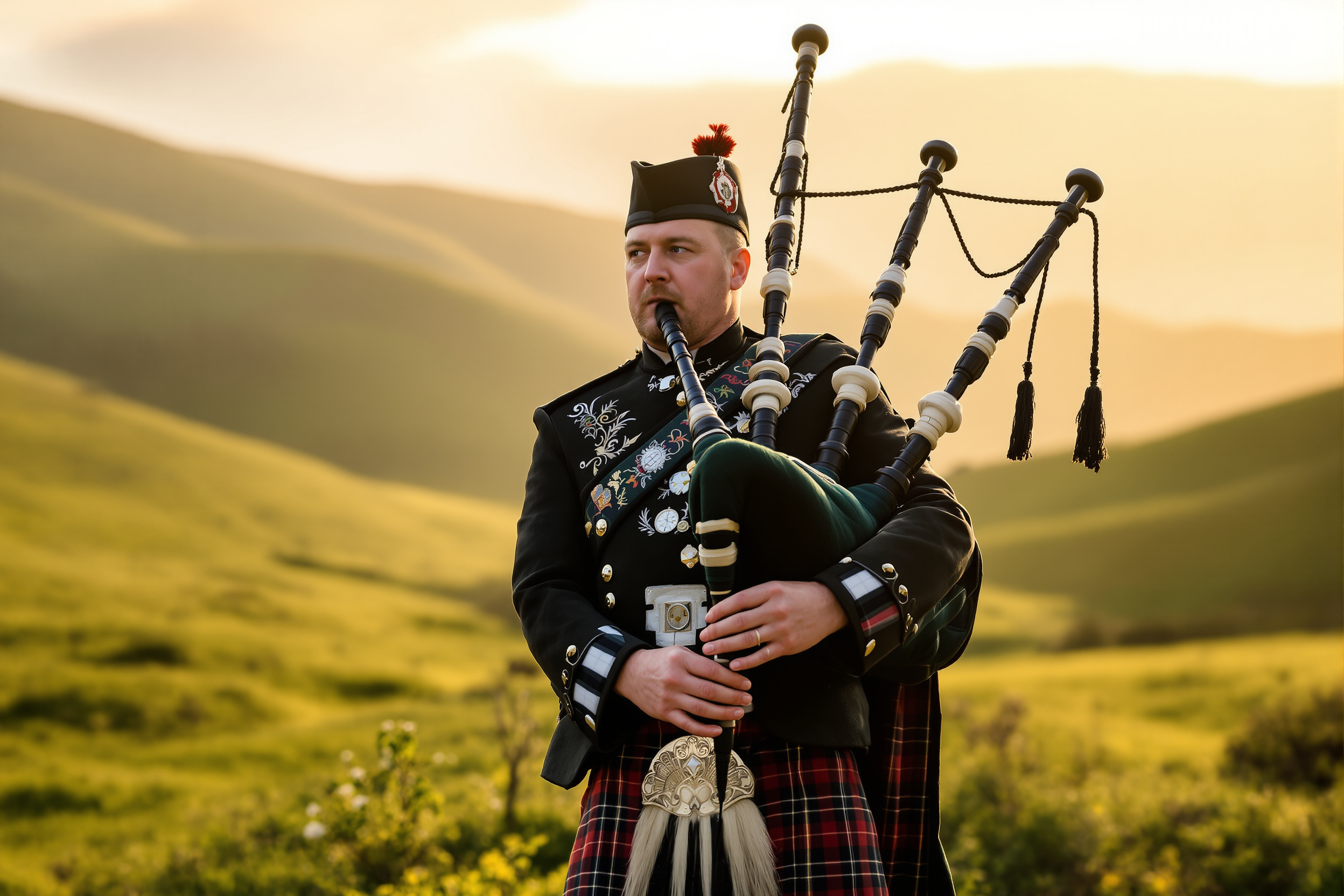
The dances are traditionally performed to the music of the Great Highland Bagpipe, whose driving rhythm gives Highland dance its unmistakable lift and energy. You can hear and learn more about this iconic instrument through the Royal Scottish Pipe Band Association.
The Highland Dances
The core Highland repertoire includes some of the most recognizable dances in the tradition:
- The Highland Fling — danced on the spot, said to celebrate victory; a showcase of stamina and clean technique.
- The Sword Dance (Gillie Callum) — performed over crossed swords, demanding precise footwork and nerve.
- The Seann Triubhas — a graceful dance whose name means "old trousers," expressing the casting off of restriction.
- The Strathspey & Highland Reel — a group dance combining elegant strathspey movement with a fast, joyful reel.
The National Dances
Alongside the Highland dances sit the National dances, often more lyrical and expressive, frequently performed in the elegant Aboyne dress rather than the kilt:
- The Scottish Lilt and Flora MacDonald's Fancy — flowing, balletic dances of poise and control.
- The Earl of Errol — a stately National dance demanding strength and carriage.
- The Sailor's Hornpipe and Irish Jig — character dances full of personality and crowd-pleasing energy.
Highland and Country Dance
Scottish Country Dance and Highland dance have different purposes. The Virginia Scottish Games' dance explanation describes Country Dance as social, with the character of ballroom dancing, while Highland dances are solo performances with precise, difficult movements requiring stamina and coordination. That distinction helps a spectator understand why a social dance gathering and a Highland competition platform can look so different.
Judges assess timing, technique and deportment. Those three criteria offer a useful way to watch: consider the relation to the music, the precision of the movement and the overall presentation. Looking beyond the difficulty of an individual movement makes the dance easier to appreciate as a complete performance. The contrast with social dancing is about the purpose and format of the occasion.
An Athletic Art Form
Make no mistake: Highland dance is a sport as much as an art. Dancers train for strength, flexibility, cardiovascular endurance, and explosive power, all while maintaining the upright carriage and precise turnout that define good technique. Many studios, ours included, recognize Highland dance as outstanding cross-training that builds coordination, discipline, and confidence in young people. Research from organizations such as the Centers for Disease Control and Prevention consistently links regular vigorous activity like dance with stronger physical and mental health in children and adults alike.
What makes the form so demanding is elevation. Highland dancers spend most of a dance up on the balls of the feet, heels rarely touching down, and every step is expected to land in the same small patch of floor with the turnout held throughout. That combination of height, precision, and repetition is why conditioning outside the studio matters, and why experienced dancers give as much thought to their calves, ankles, and knees as to their arm positions.
Begin Your Own Tradition
You do not need Scottish heritage to fall in love with Highland dance — only curiosity and a willingness to try. Our beginner classes introduce the fundamentals gently, and before long new dancers are performing their first Pas de Basque and high cuts. Ready to step into the tradition? Reach out to us and we will help you get started.
Ready to Step Into the Tradition?
Whether you dance for the joy of it or dream of a championship, there is a place for you on our floor.
Get in Touch